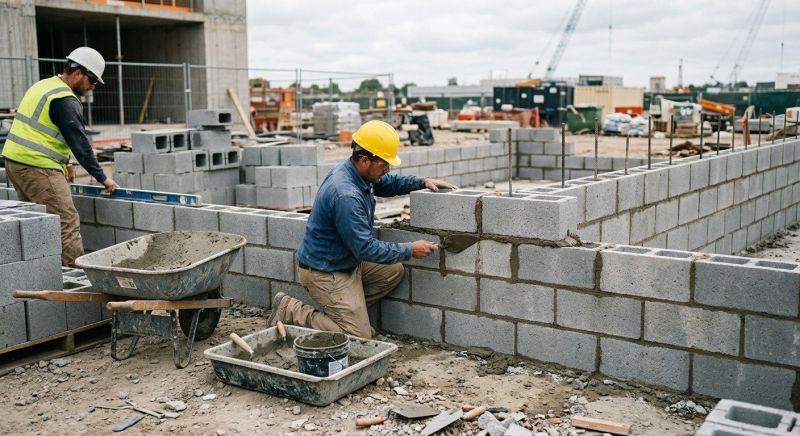
Masonry Wall Installation in Boston, MA
Masonry wall installation services involve constructing durable and attractive walls using materials such as brick, stone, or concrete blocks. These walls can serve various purposes, including defining property boundaries, creating privacy enclosures, supporting landscaping features, or enhancing the overall aesthetic of residential properties. Homeowners often seek these services for projects like building retaining walls, garden boundaries, or decorative facades, ensuring the structures are both functional and visually appealing.
Before requesting masonry wall installation, property owners typically want to understand the scope of the project, including material options, design possibilities, and the estimated lifespan of the wall. It is also helpful to consider the existing landscape, drainage requirements, and any local building codes or permits that may apply. Clear communication about these aspects can help ensure the finished wall meets both aesthetic preferences and practical needs.
Many property owners in Boston, MA look into Masonry Wall Installation for repairs, replacements, upgrades, and appearance-related improvements.
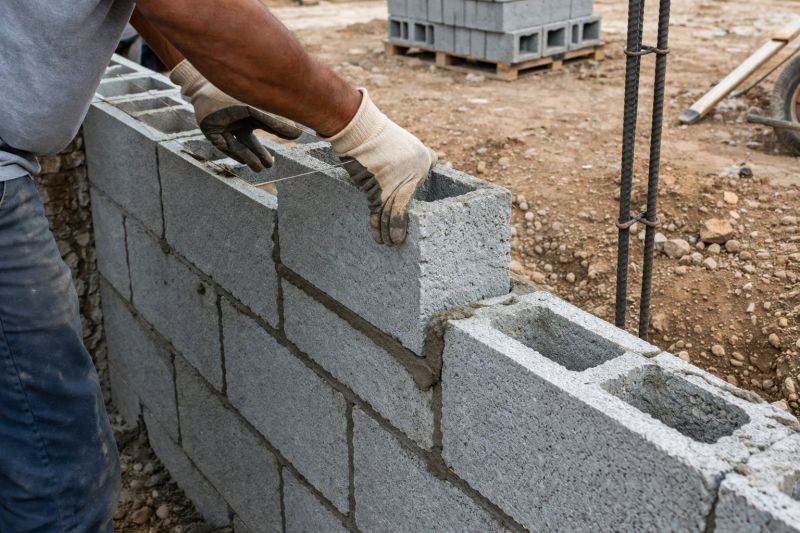
Types Of Masonry Walls
Masonry wall installation can include brick, stone, or block walls suited for various property needs.
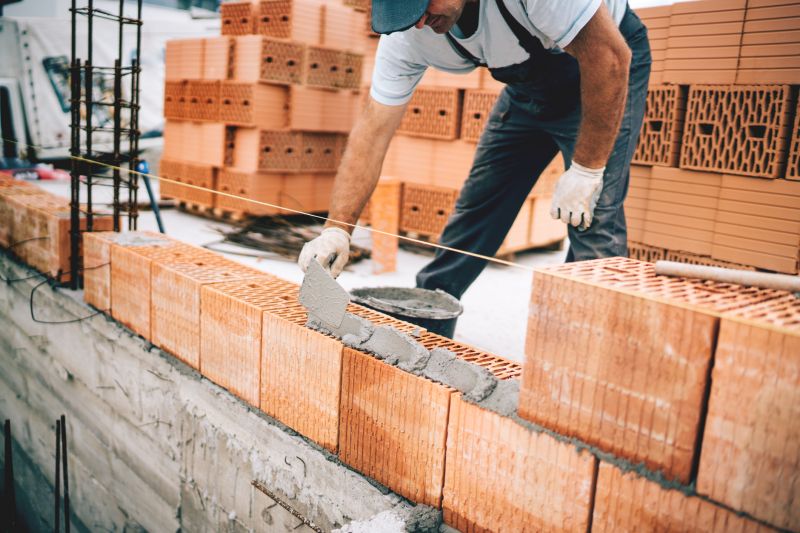
Common Applications
Masonry walls are often used for boundary fences, retaining walls, and decorative features in boston homes.
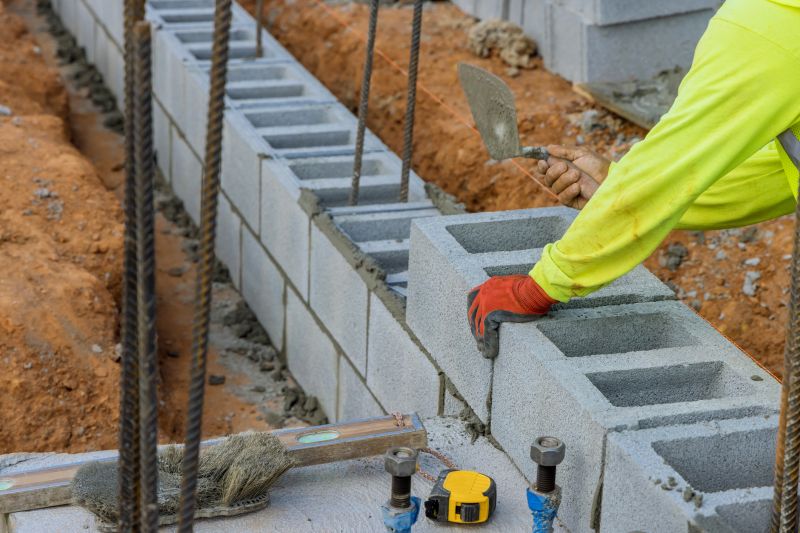
Materials And Durability
Choosing the right masonry materials ensures long-lasting strength and aesthetic appeal for property enhancements.
Masonry Wall Installation in Boston, MA
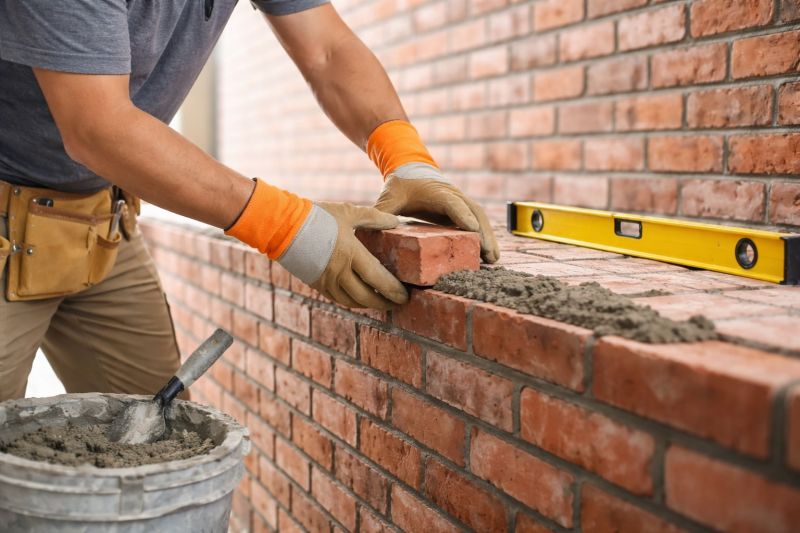
Masonry wall installation services involve constructing durable and attractive walls using materials such as brick, stone, or concrete blocks. These walls can serve various purposes, including defining property boundaries, creating privacy enclosures, supporting landscaping features, or enhancing the overall aesthetic of residential properties. Homeowners often seek these services for projects like building retaining walls, garden boundaries, or decorative facades, ensuring the structures are both functional and visually appealing.
Before requesting masonry wall installation, property owners typically want to understand the scope of the project, including material options, design possibilities, and the estimated lifespan of the wall. It is also helpful to consider the existing landscape, drainage requirements, and any local building codes or permits that may apply. Clear communication about these aspects can help ensure the finished wall meets both aesthetic preferences and practical needs.
Many property owners in Boston, MA look into Masonry Wall Installation for repairs, replacements, upgrades, and appearance-related improvements.
Common Masonry Wall Installation Jobs
Masonry Wall Installation - Provides durable and attractive walls for property boundaries and landscaping.
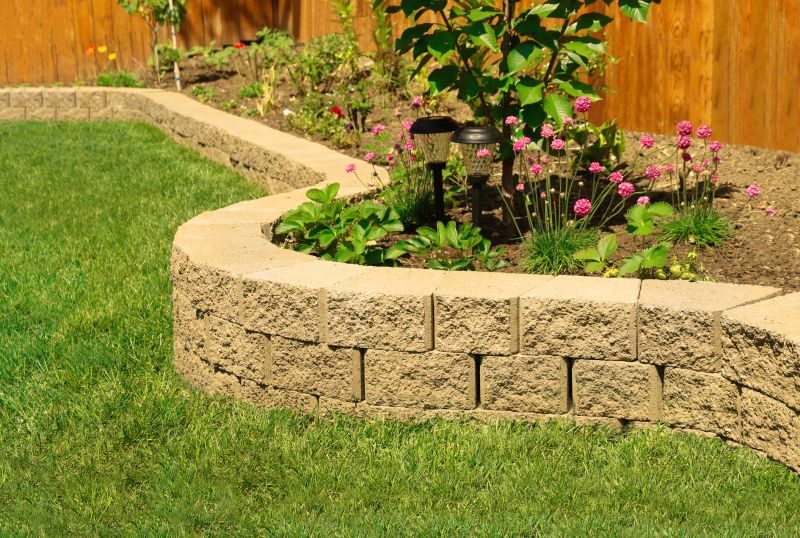
Retaining Walls - Supports soil and prevents erosion around gardens and driveways.
Brick and Block Walls - Enhances privacy and security for residential and commercial properties.
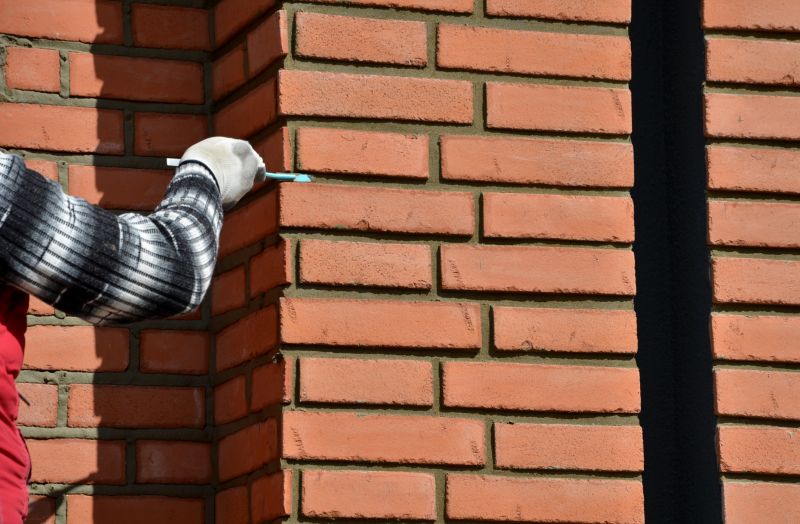
Decorative Masonry - Adds aesthetic appeal with custom brickwork and stone accents.
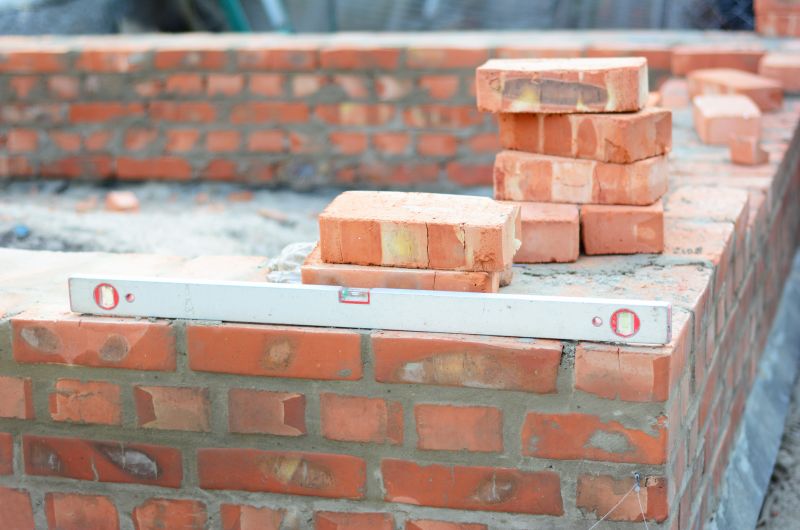
Foundation Walls - Ensures structural stability for buildings and extensions.
Fireplace and Chimney Walls - Creates functional and stylish indoor or outdoor fireplaces.
Masonry Wall Installation Questions
What types of masonry walls are commonly installed? Common options include brick, stone, and concrete block walls for various property needs.
What are typical uses for masonry wall installation? Masonry walls are often used for retaining walls, garden borders, privacy barriers, and boundary fencing.
How durable are masonry walls? Masonry walls are known for their strength and longevity when properly constructed and maintained.
What should property owners consider before installing a masonry wall? Factors include the purpose of the wall, local building codes, and the compatibility of materials with the existing landscape.
Request Masonry Wall Installation in Boston, MA
Use the quote form on this page to share the basics of your project and request more information for the type of work you need.